Suspension Lift vs. Body Lift vs. Leveling Kit: Which One Fits Your Truck
Key Takeaways
- Suspension lifts change your truck's geometry and capability but require additional modifications like longer brake lines and driveshaft adjustments
- Body lifts provide height without altering suspension geometry, making them simpler to install but offering no performance benefits off-road
- Leveling kits correct factory rake and accommodate larger tires without the complexity of a full lift system
- The right choice depends on whether you prioritize ground clearance, tire size, or maintaining factory ride quality for daily driving
A lift kit changes how your truck performs on the highway and on the trail, but the three main types – suspension lifts, body lifts, and leveling kits – accomplish different goals through completely different methods. Each option affects your vehicle's handling, warranty coverage, and capability in ways that many truck owners don't fully understand until after the installation.
The decision between these lift kit options determines everything from your tire clearance to your fuel economy, and choosing the wrong type often leads to compromised performance or additional expenses down the road. Understanding how each system works and what trade-offs you're accepting helps you make the right call before spending money.
How Suspension Lifts Work and What They Change
A suspension lift raises your truck by replacing or modifying the suspension components themselves – springs, shocks, control arms, and related hardware. This approach increases ground clearance, improves approach and departure angles, and allows for significantly larger tires while maintaining proper suspension geometry.
The installation process involves removing factory suspension components and installing taller springs, longer shocks, and often extended control arms or brackets. Depending on the lift height, you may also need longer brake lines, extended sway bar links, and driveshaft modifications to maintain proper operation.
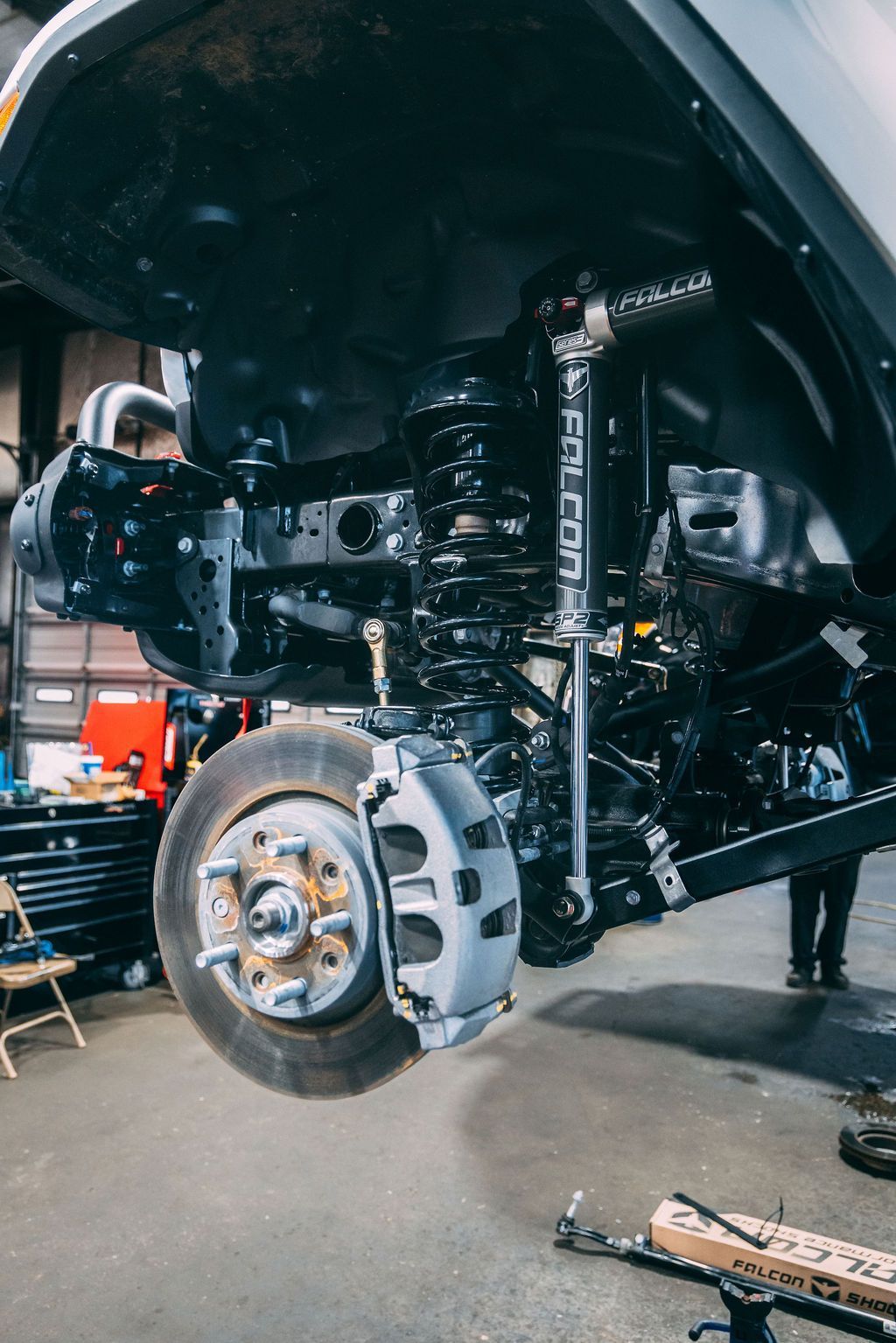
Suspension lifts typically range from 2 inches to 6 inches or more, with each additional inch requiring increasingly complex modifications. A 2-inch suspension lift might only need new springs and shocks, while a 4-inch lift often requires control arm adjustments, brake line extensions, and potentially transmission modifications.
The performance benefits are substantial. You gain real ground clearance under the axles and differential, improved articulation for rock crawling, and the ability to run much larger tires without rubbing. Your truck's approach angle – the steepest incline you can climb without the front bumper hitting – improves significantly.
However, suspension lifts change your truck's center of gravity and handling characteristics. Highway stability decreases, especially in crosswinds or emergency maneuvers. Fuel economy typically drops due to increased aerodynamic drag and the weight of larger tires. The ride quality often becomes stiffer, particularly with budget lift kits that use progressive-rate springs.
Installation complexity varies dramatically. Standard lift installations at our shop typically require 4 to 8 hours of labor once the vehicle is in the bay, but complex lifts with multiple supporting modifications can take significantly longer.
Body Lift Benefits and Limitations
Body lifts raise the truck's body and cab away from the frame using spacer blocks, typically made from polyurethane or aluminum. This approach provides height without altering the suspension geometry, keeping the factory ride quality and handling characteristics intact.
The installation involves placing spacers between the body and frame at the factory mounting points, then using longer bolts to secure everything together. Body lifts are generally limited to 3 inches maximum due to the stress placed on body mounts and the increasing gap between the body and frame components.
The primary advantage is simplicity. Your truck's suspension continues to operate exactly as designed by the manufacturer. There's no change to the ride quality, no additional stress on driveline components, and minimal impact on fuel economy. The installation is also typically less expensive than a comparable suspension lift.
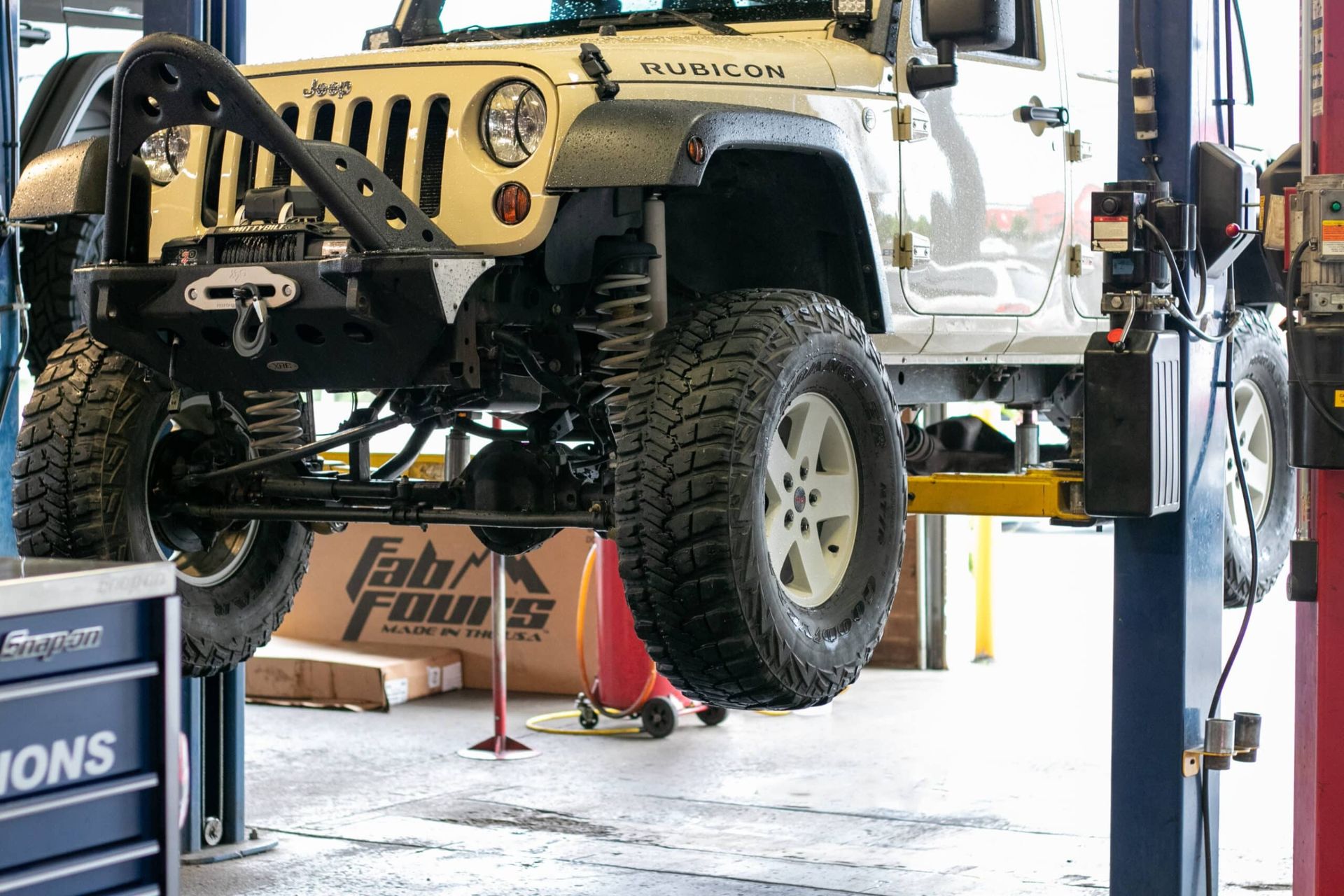
Body lifts work well for truck owners who want a taller appearance and slightly larger tire clearance without sacrificing daily driving comfort. You can typically increase tire size by one step – from 31-inch to 33-inch tires, for example – without rubbing issues.
The limitations become apparent off-road. You gain no additional ground clearance under the axles, differential, or other low-hanging components. Your approach and departure angles remain unchanged. The increased height is purely cosmetic from a capability standpoint.
Body lifts also create gaps between the body and frame that become visible around the engine bay, door frames, and other areas. Quality installations include gap guards or trim pieces to address this, but the gaps remain a consideration for many truck owners.
Long-term durability depends heavily on installation quality. The spacers must be properly torqued and periodically checked, as loosening can lead to body flex, squeaks, and potentially dangerous separation between body and frame components.
Leveling Kit Use Cases and Applications
Leveling kits address the factory rake built into most trucks, where the rear sits higher than the front to accommodate payload and towing loads. These kits typically lift only the front of the truck by 1 to 3 inches, creating a level stance while maintaining factory suspension operation.
Most leveling kits work by installing spacers above the front struts or by replacing the front coil springs with slightly taller versions. The installation is straightforward compared to full suspension lifts, often completed in a few hours with basic tools.
The primary benefit is improved appearance and modest tire size increases. A 2-inch leveling kit typically allows you to run tires one size larger than factory without modification. Your truck maintains its factory ride quality, warranty coverage on unmodified components, and fuel economy.
Leveling kits work particularly well for truck owners who primarily drive on highways and city streets but want a more aggressive appearance and slightly larger tires. They're also popular among drivers who tow occasionally but don't need the payload compensation that factory rake provides.
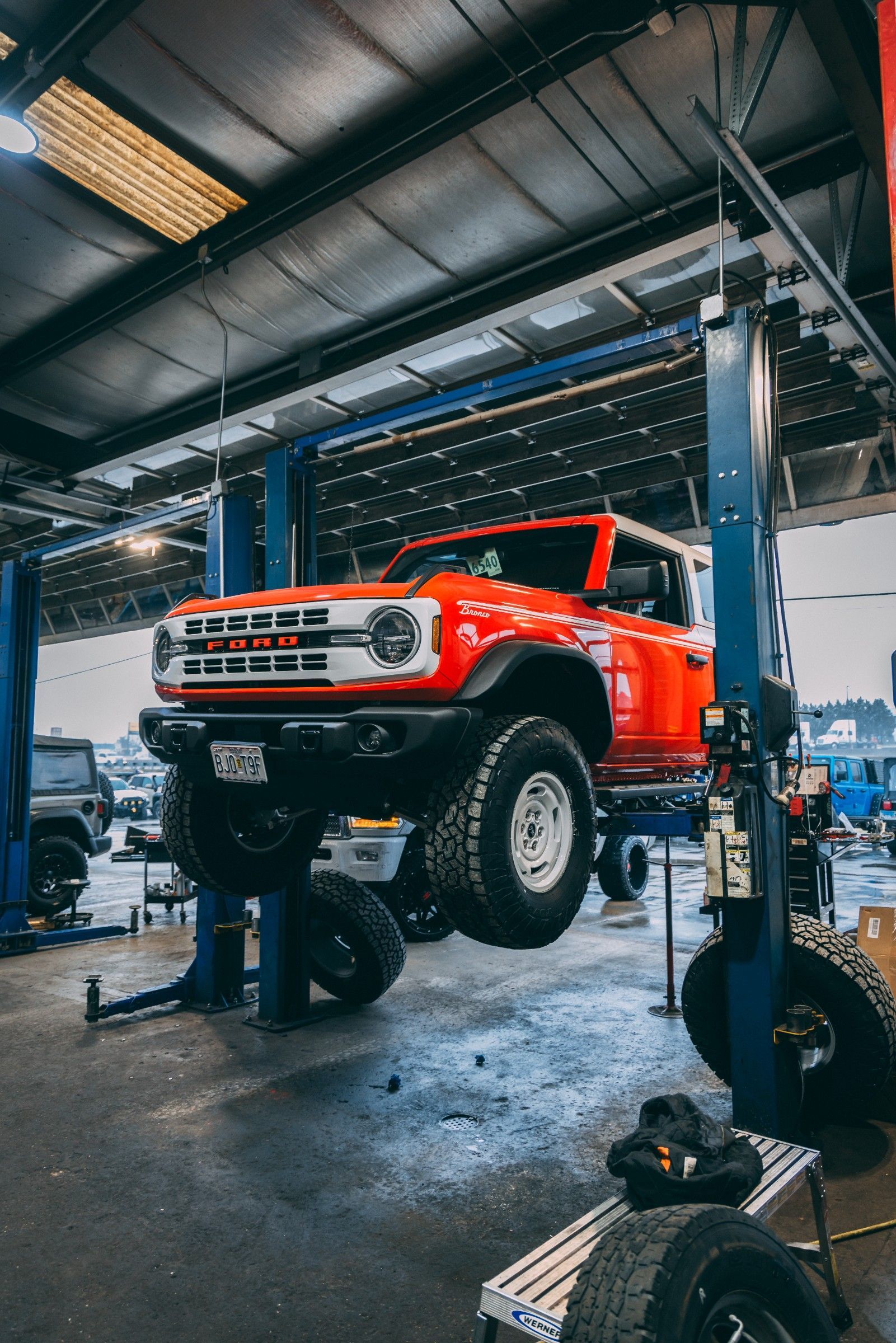
The trade-offs are minimal but worth understanding. Leveling your truck removes the factory rake designed to keep the headlights properly aimed when loaded. If you regularly haul heavy loads or tow trailers, the level stance may cause headlight aim issues and reduced rear suspension travel.
Some leveling kits, particularly spacer-based systems, can affect ride quality by preloading the front springs. Quality kits minimize this impact, but budget options sometimes create a harsher front-end feel over bumps and road irregularities.
Side-by-Side Comparison: Choosing the Right Lift Type
- Feature | Suspension Lift | Body Lift | Leveling Kit
- Ground Clearance | Significant increase | No change | Minimal increase
- Tire Size Capability | 2-4 sizes larger | 1 size larger | 1 size larger
- Installation Complexity | High | Moderate | Low
- Ride Quality Impact | Moderate to significant | Minimal | Minimal
- Off-road Performance | Major improvement | No change | Slight improvement
- Highway Handling | Reduced stability | Unchanged | Unchanged
The comparison reveals why understanding your actual needs matters more than simply wanting a "lifted truck." Each option serves different priorities and driving patterns.
Suspension lifts make sense when off-road capability drives your decision. If you regularly encounter rocks, deep ruts, or steep terrain where ground clearance and tire size matter, the complexity and trade-offs become worthwhile. The key is matching the lift height to your actual needs rather than going as tall as possible.
Body lifts work best for appearance-focused modifications where maintaining factory driving characteristics takes priority. They're particularly suitable for truck owners who want a taller look but rarely venture off pavement or encounter situations where ground clearance matters.
Leveling kits serve the largest group of truck owners – those who want improved appearance and modest tire upgrades without sacrificing daily driving comfort or reliability. They offer the best balance of visual improvement and practical compromise for most drivers.
How to Pick Based on Your Driving Mix
Your decision should start with honest assessment of how and where you actually drive your truck. Most truck owners overestimate their off-road needs and underestimate how much time they spend on highways and city streets.
Consider suspension lifts when you regularly encounter obstacles that require ground clearance. This includes rock crawling, deep snow, construction sites, or rural properties with challenging terrain. The trade-offs in highway comfort and fuel economy make sense when the capability gets used.
Signs you need a suspension lift rather than alternatives include frequently scraping your differential or skid plates, getting stuck due to insufficient ground clearance, or needing tires larger than 33 inches for your specific applications.
Here's what indicates a suspension lift fits your needs
- You regularly drive on trails where rocks or logs contact your undercarriage
- Your current setup limits you in snow, sand, or mud due to ground clearance
- You need 35-inch or larger tires for your specific off-road conditions
- You're building a dedicated trail rig where highway comfort isn't a priority
- You frequently encounter steep approach angles that cause front bumper contact
Body lifts make sense when appearance drives your modification goals and you rarely need the truck's maximum capability. They work well for truck owners who want a more aggressive look for car shows, parking lot presence, or personal preference without functional requirements.
Leveling kits suit the majority of truck owners who want visual improvement and modest capability gains without major trade-offs. They're particularly appropriate for daily drivers that occasionally see light off-road use like camping access roads, hunting trails, or beach driving.
Professional Installation Matters More Than Kit Selection
Most lift kit problems stem from installation quality rather than the kit itself. Proper installation requires factory-trained technicians who understand how suspension modifications affect other vehicle systems. Standard lift installations typically require 4 to 8 hours of labor, but rushing the process creates long-term problems.
Critical installation details include proper torque specifications, brake line routing, driveshaft phasing, and suspension geometry verification. These details determine whether your lift performs as intended or creates vibrations, premature wear, and safety issues.
Our Master Certified technicians complete every lift installation with factory-spec procedures and back the work with our 12-month, 12,000-mile warranty covering both parts and labor. This warranty coverage addresses the most common concern truck owners have about lift modifications – what happens when something goes wrong.
The installation process also determines how your lifted truck performs on Missouri highways and local trails. Every build must handle Interstate 70 traffic Monday morning and weekend trail runs with equal competence. Proper installation makes this dual-purpose performance possible.
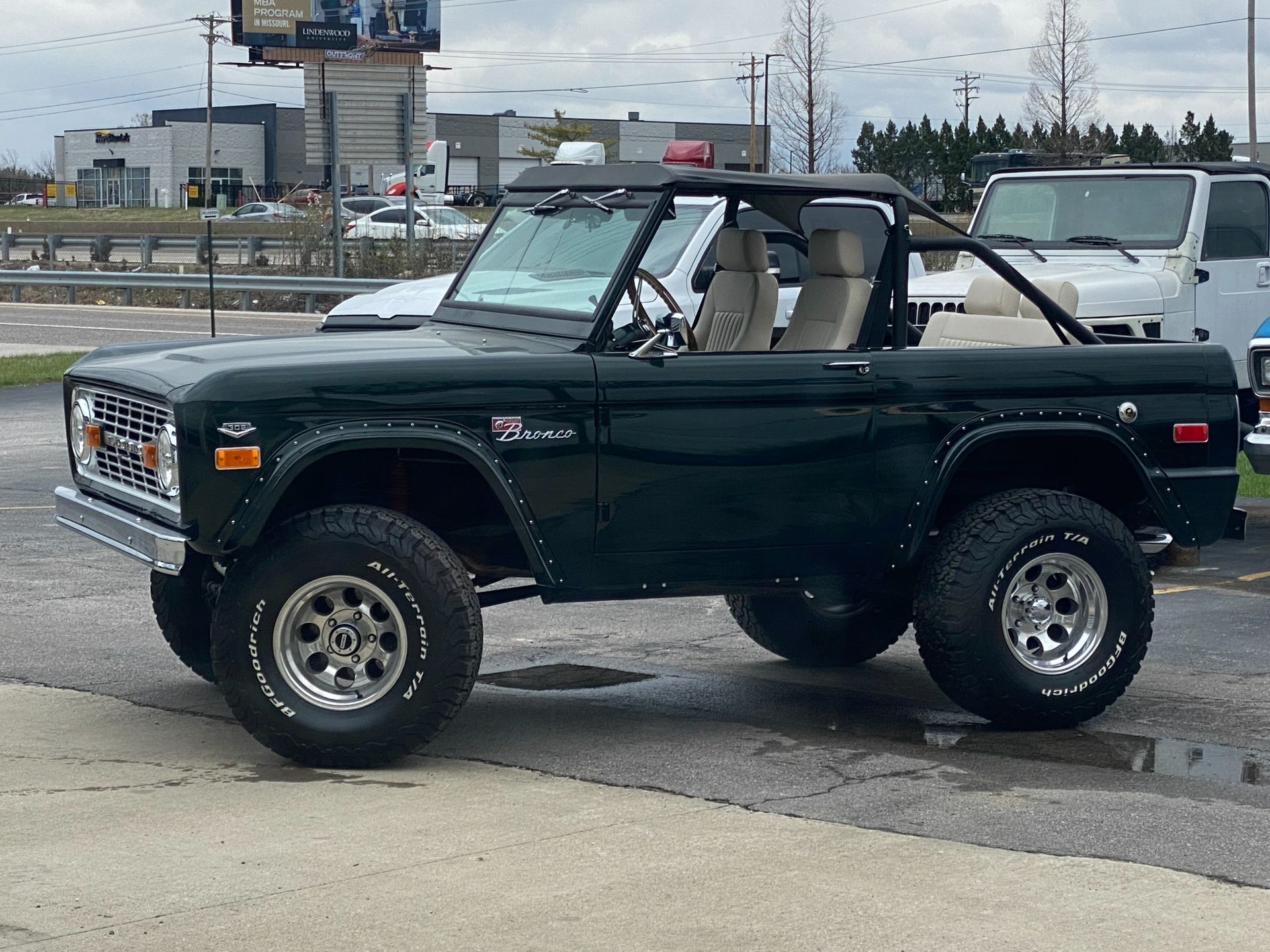
Quality shops also address supporting modifications during installation rather than discovering them later. This includes brake line extensions, steering stabilizers, and driveshaft modifications that prevent comebacks and additional expense.
Real-World Example: Learning from Wrong Choices
A local customer brought us his Silverado after a body lift installation at another shop left him disappointed. He'd chosen the body lift expecting better off-road performance for hunting access but found no improvement in ground clearance or capability on the rough roads leading to his hunting property.
The 3-inch body lift raised his truck's appearance but did nothing for the low-hanging differential that continued scraping on rocks and ruts. He ended up needing a suspension lift anyway, making his total investment nearly double what a proper suspension lift would have cost initially.
This situation illustrates why understanding the functional differences matters more than focusing on height numbers. His needs required ground clearance and approach angle improvements that only a suspension lift could provide.
We removed the body lift and installed a 4-inch suspension lift with appropriate supporting modifications. His truck now handles the hunting property access roads without scraping while maintaining acceptable highway manners for his daily commute.
The lesson applies broadly: match the modification type to your actual needs rather than choosing based on cost or appearance alone. The right choice the first time costs less than correcting the wrong choice later.
For truck owners in the St. Louis area considering lift options, we recommend starting with an honest assessment of where and how you drive. This conversation helps determine which type of lift serves your actual needs rather than your initial assumptions.
Making the Right Choice for Your Truck and Budget
The best lift choice balances your functional needs, budget constraints, and tolerance for trade-offs. Most truck owners benefit from starting with the least invasive option that meets their needs rather than going straight to maximum capability.
Budget considerations should include not just the initial installation but also the ongoing costs of larger tires, increased fuel consumption, and potential additional modifications. A $2,000 suspension lift might require another $1,500 in tires, wheels, and supporting modifications to perform properly.
Timeline expectations vary significantly between lift types. Leveling kits can often be completed same-day, while complex suspension lifts may require several days depending on parts availability and supporting modifications needed.
For drivers who want to explore different build approaches and modification priorities, understanding how lift choice affects other modifications helps plan a comprehensive approach rather than making piecemeal changes.
The warranty coverage on your lift installation should factor into your decision. Our 12-month, 12,000-mile warranty covers both performance parts and labor, addressing the most common concern about lift modifications – what happens when problems arise.
Consider starting with a leveling kit if you're unsure about your needs. The investment is modest, the installation is reversible, and you can always upgrade to a full suspension lift later if your requirements change. This approach lets you experience how height affects your truck's behavior before committing to more extensive modifications.
Frequently Asked Questions
Will a lift kit void my truck's warranty?
Lift kits don't automatically void your entire vehicle warranty, but manufacturers can deny coverage for problems directly related to modified components. The key is professional installation and documentation. Our Master Certified technicians follow factory procedures and provide detailed installation records that help protect your remaining warranty coverage, and federal law requires manufacturers to prove that modifications caused specific problems before denying coverage.
How much does lift installation cost including labor?
Standard lift kit installations range from $600 to $4,000+ depending on complexity and supporting modifications required. Basic leveling kits typically cost $600-$1,200 installed, while comprehensive suspension lifts with supporting modifications range from $2,000-$4,000+. The final cost depends on your specific vehicle, chosen lift height, and additional modifications needed for proper operation.
Can I install a lift kit myself to save money?
While some experienced mechanics can handle basic leveling kits, suspension lifts require specialized tools, alignment equipment, and knowledge of suspension geometry. Improper installation creates safety hazards and often costs more to correct than professional installation would have cost initially. Our 4-8 hour installation timeframe reflects the complexity involved in doing the work correctly the first time.
How long will my truck be in the shop for lift installation?
Common upgrades such as leveling kits and standard lift installations generally require 4 to 8 hours of labor once the vehicle is in the bay. Simple leveling kits can often be completed same-day, while more complex suspension lifts may take 1-2 days depending on the specific modifications required and parts availability.
What warranty coverage do you provide on lift kit installations?
We back every lift installation with our 12-month, 12,000-mile warranty covering both performance parts and labor. This warranty addresses the most common concern truck owners have about lift modifications and covers any issues that arise from the installation process. Our Master Certified technicians ensure the work meets factory specifications before your truck leaves our shop.
Choosing the wrong lift type creates ongoing frustration and additional expense that proper planning prevents. Your truck's capability and daily driving comfort depend on matching the modification to your actual needs rather than generic recommendations or appearance goals alone.
Our Purpose-Built Path process starts with understanding how and where you actually drive, then recommends the lift type and supporting modifications that deliver the performance you need. Every installation includes our 12-month, 12,000-mile warranty and the expertise of Master Certified technicians who ensure your truck performs properly on Missouri highways and local trails.
Schedule a consultation to discuss which lift option fits your truck, budget, and driving requirements. We'll provide specific recommendations based on your vehicle and usage patterns, not generic solutions that may not match your needs.
More Posts From Our Blog